
The crystal market in 2026 is crowded, and not everything labeled “natural crystal” actually is. Glass, dyed stone, and resin imitations are common—especially online, where a photo hides weight, temperature, and texture. This guide gives you seven practical checks to tell a real crystal bracelet from a fake before you pay, so the piece on your wrist is the real thing and not a pretty impersonator.
1. The Price Is Too Good to Be True
Genuine crystals are mined, cut, and polished; that costs money. If a “Super Seven” bracelet is priced like a fast-fashion accessory, it almost certainly is not the real mineral. Use price as a first filter, not a verdict—but a bracelet that is suspiciously cheap is the single most common red flag.
2. Temperature — Real Stone Stays Cool
Crystals conduct heat differently than glass or plastic. Hold the bead against your lip or the inside of your wrist: a real stone feels cool and takes a moment to warm to your body temperature, while glass warms almost instantly. This single test rules out a surprising number of fakes.
3. Weight — Heavier Than It Looks
Natural quartz and most crystals are denser than glass of the same size. A bracelet that feels oddly light for its volume often contains resin or hollow beads. Pick up a few known-real pieces in a shop to build a sense of what “right” feels like.
4. Natural Imperfections and Inclusions
Real crystals are products of geology, not factories. Look for tiny fissures, mineral inclusions, slight color zoning, or uneven surfaces. A bead that is perfectly uniform, flawless, and identical to its neighbors is often machine-made glass or synthetic. Imperfections are evidence of authenticity, not defects.
5. Color Consistency — Too Uniform Means Dyed
Natural stones show gentle variation bead to bead. If every bead is an identical, saturated color with no depth, the material may be dyed or treated. This is especially true for “rare” colors sold at low prices. Real color has depth; dye has flatness.
6. Hardness and Surface Feel
Most quartz-family crystals (including clear quartz, amethyst, and Super Seven) are genuinely hard and resist casual scratching. A bead that scratches easily with a key or fingernail may be softer glass or coated plastic. Use this test gently and only on a hidden spot—you do not want to mark a real piece.
7. Seller Transparency and Certificates
A trustworthy seller tells you the stone name, origin when known, and any treatments. Vague listings (“mystery crystal,” “energy stone” with no species) are a warning. For higher-value pieces, ask whether a certificate is available. Reputable shops answer questions; evasive ones usually have something to hide.
Extra Care for Super Seven and Red String
Super Seven is a naturally rare combination of seven minerals, which makes it a frequent target for fakes—demand the inclusion variety and a clear species name. Our Red String Luck Bracelet should show clean, even knotwork and a quality cord; sloppy knots or a plastic-feel cord are signs of a low-grade copy. Buy from a source that shows the actual product and stands behind it.
Frequently Asked Questions
Can a fake crystal still “work”?
A fake may look nice, but it is glass or resin—it carries none of the mineral structure people choose crystals for. If the object matters to you, the real stone is the point.
Is dyed stone always fake?
Dyed stone is still a natural mineral, just treated for color. It is not “fake” in the strictest sense, but it should be labeled as treated and priced accordingly. The problem is sellers passing treated stone off as rare natural color.
What is the fastest single test?
The temperature test. Real crystal stays cool against your lip or wrist; glass warms immediately. It takes two seconds and needs no tools.
Should I avoid buying crystals online?
No—just buy from sellers who show real product photos, name the exact stone, and answer questions. Reading guides like this one before you buy is most of the protection you need.
Every piece in our collection is named, described, and shown as the actual product—including the Super Seven for Wealth & Love and the Red String Luck Bracelet.
Use code WELCOME20 for 20% off your first order.
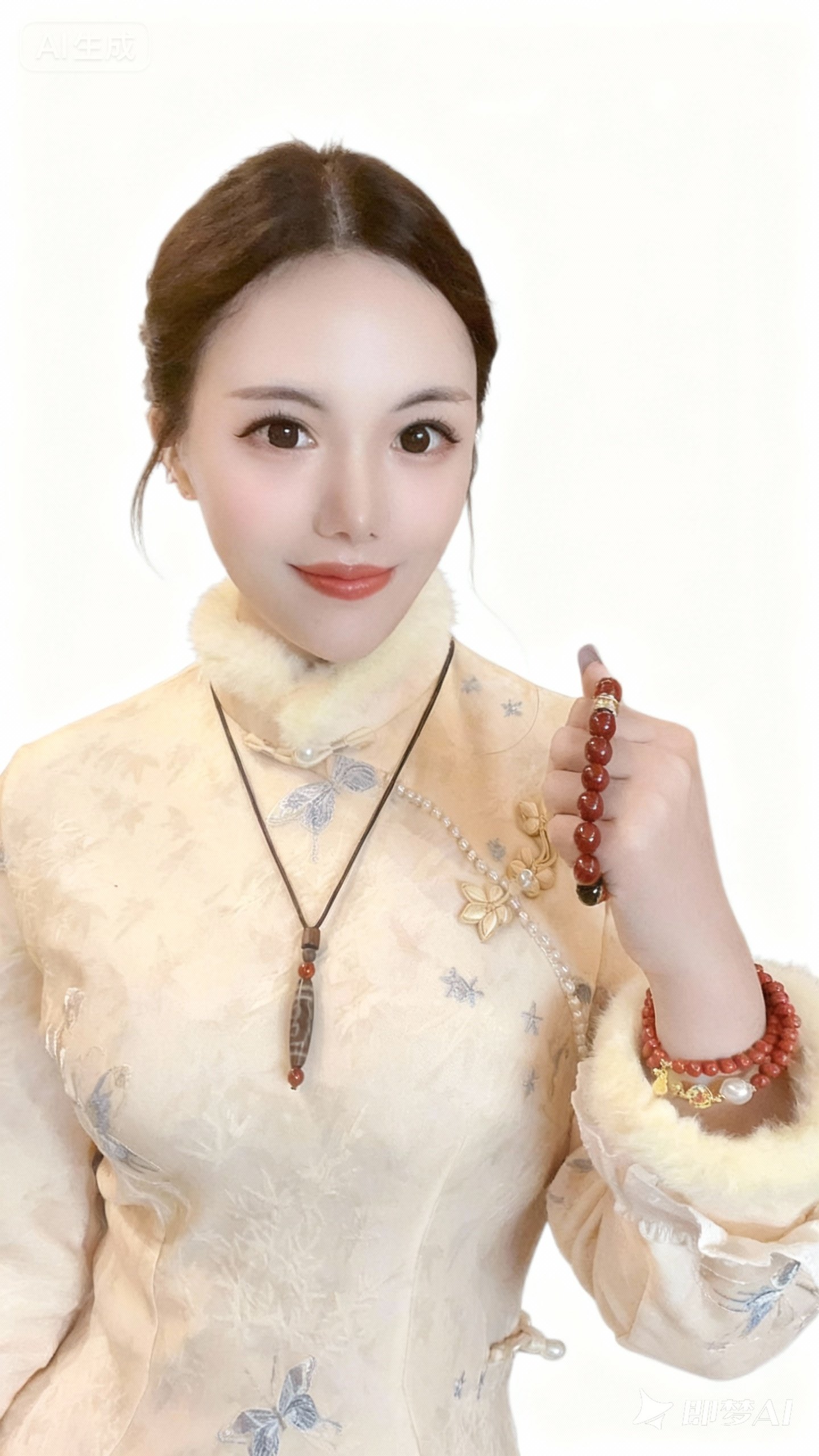
I’m Yolanda, Founder of xuanyicrystal, a feng shui practitioner and handmade artist who bridges the wisdom of Eastern metaphysics with modern energy aesthetics. My work is rooted in traditional feng shui systems, crystal energy research, and meditation science—translating cosmic energy and natural frequencies into wearable art for conscious living committed to spreading the charm of traditional Chinese culture and crystal craftsmanship globally.
Trained in cultural anthropology and design, and apprenticed in Eastern esoteric traditions, I specialize in feng shui arrangements, crystal chakra resonance, and energy-based meditation. Each bracelet is not merely an accessory—it is a portable feng shui layout and a meditation anchor. May these pieces accompany you through time and space, illuminating inner order and light.